Digital transformation has significantly increased businesses’ dependence on electronic infrastructure, including servers, computers, networking systems, storage devices, and communication equipment. As organizations continue upgrading technology to improve productivity and operational performance, the volume of obsolete electronic assets is also rising rapidly. Managing retired devices responsibly has become an essential part of sustainable business operations, environmental accountability, and data protection strategies. The growing focus on responsible waste management has underscored the importance of IT equipment recycling in modern organizations seeking smarter, safer technology disposal practices.
Traditional disposal methods are no longer suitable for handling outdated electronic assets because of growing environmental concerns, regulatory expectations, and cybersecurity risks. Businesses are now adopting structured recycling solutions that support operational transparency, resource recovery, and sustainable corporate practices. Responsible recycling not only helps organizations reduce environmental impact but also improves long-term operational efficiency, workplace organization, and regulatory compliance across increasingly technology-driven industries.
Smarter Waste Recovery for Sustainable Business Operations
Modern organizations require structured approaches for managing electronic waste while maintaining efficiency and environmental responsibility. Sustainable recycling programs help businesses reduce unnecessary waste and optimize resource management.
- Improving Environmental Responsibility
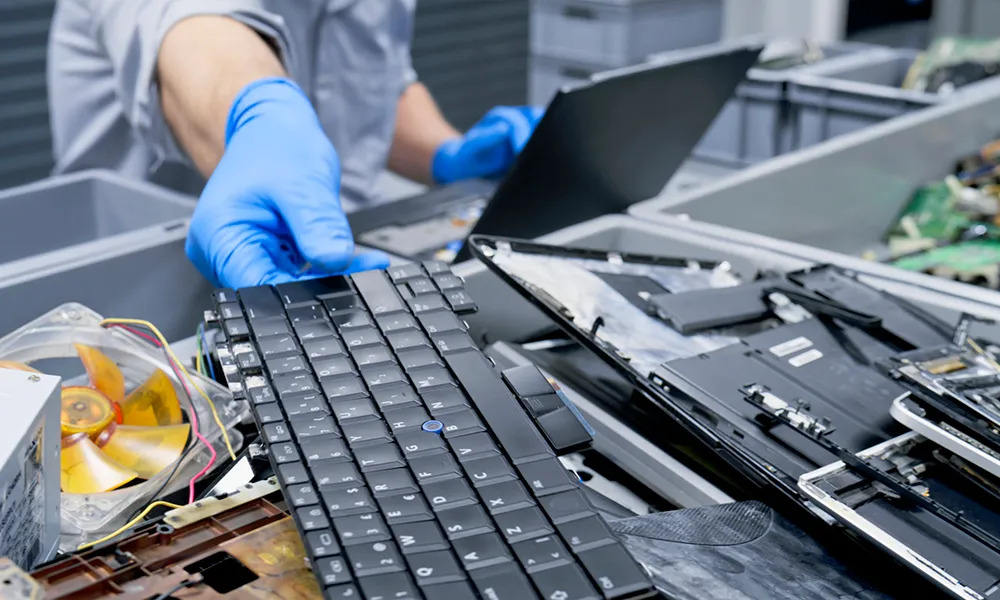
Electronic devices contain metals, plastics, and components that may negatively impact the environment if improperly disposed of. Responsible recycling helps recover reusable materials while reducing landfill accumulation and environmental pollution. Sustainable disposal methods contribute to cleaner ecosystems and support broader environmental conservation initiatives.
- Strengthening Corporate Sustainability Goals
Environmental responsibility has become a key focus area for businesses across industries. Recycling outdated technology assets demonstrates commitment to sustainable operations and responsible corporate behavior. Organizations implementing recycling programs often improve brand reputation while supporting long-term sustainability objectives and environmental accountability.
- Supporting Safe Data Disposal Practices
Retired electronic equipment may still contain sensitive business information, employee records, and operational data. Professional recycling processes include secure data destruction procedures that help businesses minimize cybersecurity risks and prevent unauthorized access to confidential information during disposal.
- Extending the Value of Recoverable Materials
Many outdated electronic devices still contain reusable components and valuable raw materials. Recycling programs help recover these materials for reuse in future manufacturing processes, reducing unnecessary waste and supporting more efficient resource utilization across industries.
How Modern Businesses Benefit From Responsible Recycling Solutions
Organizations are increasingly recognizing the operational, financial, and environmental advantages associated with responsible technology recycling practices. The growing importance of IT equipment recycling continues to encourage businesses to adopt more sustainable disposal strategies that improve efficiency, strengthen data security, and support long-term environmental responsibility.
- Managing Technology Lifecycle More Efficiently
Technology infrastructure requires regular upgrades to maintain security, performance, and operational efficiency. Recycling programs help businesses manage the retirement phase of electronic assets more effectively while reducing unnecessary storage challenges and workplace clutter.
- Supporting Circular Economy Initiatives
Electronic recycling contributes to circular economy models by recovering reusable materials and reducing demand for raw resource extraction. Recovered metals, plastics, and components are reintroduced into manufacturing cycles, supporting more sustainable industrial production systems globally.
- Reducing Operational Waste Across Departments
Unused or obsolete electronic devices often occupy valuable workspace and storage areas. Recycling programs improve workplace organization while helping businesses reduce operational waste associated with outdated technology equipment.
- Enhancing Resource Optimization
Efficient recycling programs support better allocation of financial and operational resources by streamlining equipment disposal processes. Businesses benefit from improved asset visibility, reduced inefficiencies, and more organized technology management systems.
Building Smarter Digital Infrastructure Through Sustainable Practices
As businesses expand their digital operations, responsible recycling becomes increasingly important for maintaining operational sustainability and environmental responsibility.
- Improving Operational Transparency
Modern recycling solutions provide better documentation, tracking, and reporting throughout the disposal process. Improved transparency helps organizations maintain accountability while supporting regulatory compliance and operational monitoring.
- Encouraging Long-Term Sustainability Planning
Businesses are integrating sustainability into broader operational strategies and long-term planning frameworks. Responsible recycling supports environmental goals while helping organizations create more sustainable business ecosystems and operational models.
- Supporting Workplace Safety Standards
Improperly stored electronic equipment can create workplace hazards and inefficiencies. Organized recycling programs help businesses maintain safer work environments by removing unused devices and reducing operational clutter within office facilities.
- Enabling Better Inventory and Asset Control
Technology asset management becomes more effective when organizations implement structured disposal and recycling systems. Businesses can track retired devices more accurately while improving inventory visibility and operational planning.
Why Sustainable Electronic Disposal Is Becoming a Business Priority
The increasing complexity of digital infrastructure has made electronic waste management a critical business function across modern industries.
- Reducing Landfill Contribution
Electronic waste continues to grow globally as businesses upgrade technology systems more frequently. Recycling programs help divert electronic materials from landfills while promoting safer, more sustainable waste management solutions.
- Supporting Regulatory Compliance Requirements
Environmental regulations surrounding electronic waste disposal continue evolving across industries. Structured recycling programs help organizations maintain compliance while improving documentation and operational consistency.
- Enhancing Data Protection Standards
Secure recycling practices reduce the risks of data breaches and unauthorized exposure of information. Businesses benefit from improved data security measures throughout the disposal process of retired electronic equipment.
- Encouraging Responsible Technology Consumption
Sustainable recycling practices encourage organizations to adopt more responsible approaches toward technology acquisition, usage, and disposal. Businesses become more aware of lifecycle management and resource conservation strategies.
Conclusion
Responsible electronic waste management has become an essential component of modern business operations, sustainability planning, and technology lifecycle management. From reducing environmental impact and improving workplace organization to strengthening data protection and regulatory compliance, structured recycling programs help businesses operate more responsibly and efficiently. The growing reliance on IT equipment recycling companies in Dubai reflects the increasing demand for secure, scalable, and environmentally responsible solutions that support sustainable business growth and smarter digital infrastructure management.
Planet Green Recycling specializes in advanced electronic waste recycling and sustainable IT asset management solutions designed to support environmentally responsible business operations. Through secure recycling practices, professional material recovery, and efficient electronic waste management services, they help organizations improve sustainability performance, protect sensitive information, and responsibly manage outdated technology assets in modern business environments.
About the Author