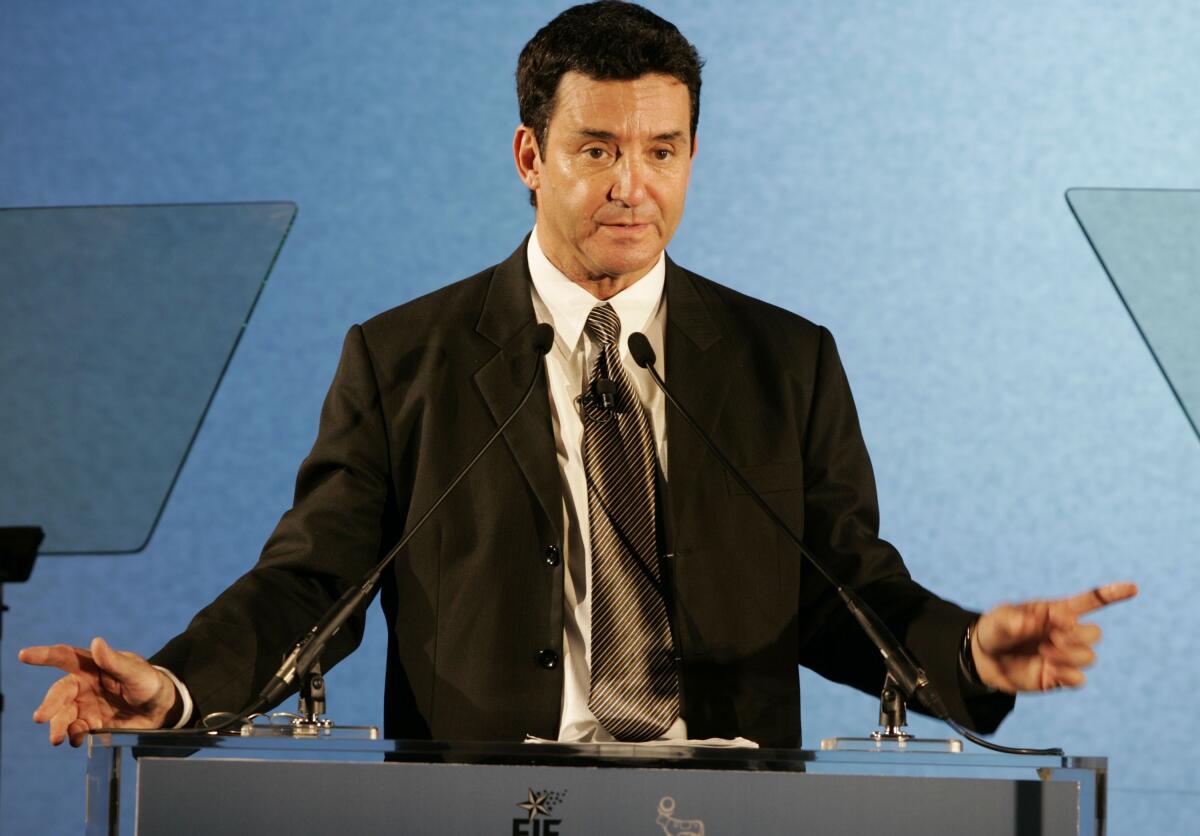
The modern wellness perspective inspired by Bruce Hensel emphasizes a holistic understanding of health that integrates physical, mental, and emotional well-being. In an era marked by rapid technological advancement, high stress, and lifestyle challenges, wellness is no longer just the absence of disease—it is the active pursuit of balance and vitality. This approach encourages individuals to consider all aspects of their lives, from nutrition and exercise to mindfulness and social connection, as essential components of long-term health.
Holistic Health as the Core Principle
Central to this philosophy is the belief that true wellness is multidimensional. Physical fitness alone is insufficient without attention to mental and emotional health. Bruce Hensel perspective advocates for practices that nurture the mind, body, and spirit simultaneously. Regular physical activity, proper nutrition, stress management, and mental exercises all contribute to overall resilience. By addressing these areas collectively, individuals can improve their energy levels, prevent chronic illness, and enhance cognitive function. Holistic health encourages proactive engagement rather than passive reaction to health challenges.
Preventive Focus and Lifestyle Integration
Preventive strategies are a key component of modern wellness. This philosophy highlights the importance of adopting healthy habits early and consistently. Routine screenings, balanced diets, regular exercise, and mindfulness practices are all essential tools for maintaining well-being. Bruce Hensel emphasizes integrating these practices into daily life rather than treating them as temporary or isolated efforts. Sustainable habits, such as consistent sleep patterns and mindful eating, create lasting benefits. Preventive care also reduces the likelihood of chronic conditions, leading to better long-term outcomes and enhanced quality of life.
Mental and Emotional Resilience
Wellness extends beyond the physical to include psychological health. Stress, anxiety, and emotional imbalance can significantly affect overall well-being. The modern wellness perspective encourages practices such as meditation, journaling, and cognitive behavioral strategies to build resilience. By cultivating emotional intelligence and self-awareness, individuals can better navigate challenges, maintain focus, and improve interpersonal relationships. Emotional wellness also strengthens the immune system and supports recovery, demonstrating the interconnectedness of mental and physical health.
Empowering Individuals Through Education
Education and awareness are fundamental to achieving sustainable wellness. Bruce Hensel’s approach highlights the importance of providing individuals with reliable information about nutrition, exercise, mental health, and preventive care. Informed individuals are better equipped to make choices that align with their health goals. Empowerment through knowledge fosters a sense of agency and encourages proactive participation in wellness practices. When individuals understand the rationale behind their actions, adherence to healthy routines becomes more natural and effective.
Community and Social Connection
Modern wellness is not an isolated journey. Social support, community engagement, and meaningful relationships play critical roles in overall health. Positive interactions reduce stress, improve mood, and enhance life satisfaction. Bruce Hensel’s philosophy recognizes that wellness is reinforced through connection, collaboration, and shared experiences. Communities that encourage healthy lifestyles, group activities, and collective education foster environments where wellness can thrive for all members.
Adaptability and Lifelong Learning
A defining feature of this perspective is adaptability. Modern life presents continuous change, requiring flexible strategies for maintaining wellness. Bruce Hensel encourages lifelong learning, staying informed about new research, and adopting evidence-based practices. Adapting routines in response to life stages, environmental factors, and personal goals ensures that wellness remains sustainable and relevant. This dynamic approach allows individuals to respond effectively to both challenges and opportunities.
Sustainable and Future-Focused Wellness
The ultimate goal of this modern wellness philosophy is long-term vitality and resilience. By combining preventive care, holistic practices, mental and emotional support, and community engagement, individuals can cultivate a balanced and fulfilling life. This approach also aligns with societal needs, promoting healthier populations and reducing the burden on healthcare systems. Future-focused wellness emphasizes sustainability, encouraging choices that benefit both individuals and their communities over the long term.
The modern wellness perspective inspired by Bruce Hensel provides a comprehensive framework for living a balanced, resilient, and fulfilling life. By integrating physical, mental, and emotional strategies with education, community, and adaptability, this approach redefines health as an active, lifelong pursuit. It empowers individuals to take charge of their well-being while fostering environments that support sustainable wellness for generations to come.
About the Author